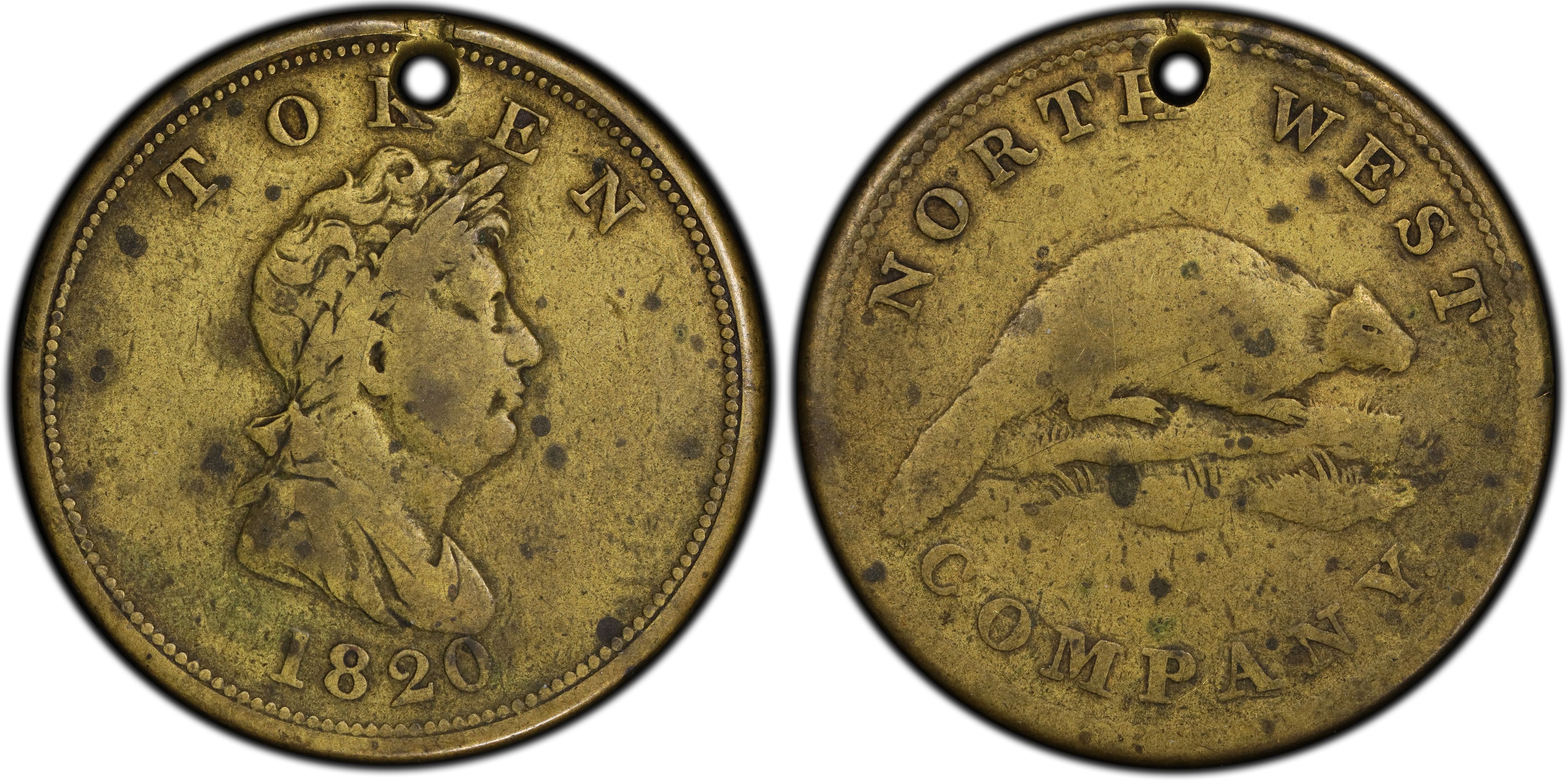
The coin in question represents a noteworthy piece from the category of Post-1776 Private and Regional Issues in the United States, specifically minted in Philadelphia in the year 1820. Although this particular coin lacks specific details on its denomination, material, and weight—which are crucial elements for its identification and valuation—the absence of these details could suggest it may have been produced in a non-standard manner or is perhaps an unissued or prototype coin. This coin is classified under the type "Coins" and is categorized as a "Mint Strike," indicating that it was likely produced using standard minting processes of the time by the Philadelphia Mint. The lack of a mint mark suggests that it was minted directly at the main facility without additional distinctions. As the year 1820 is popularly recognized during the early years of the U.S. minting era, such coins can represent an important period in the development of American currency, reflecting the socio-economic conditions and the growing need for standardized currency in the post-Revolutionary War period. Despite the absence of crucial specifics such as denomination, mintage, and designer, its historical context may provide a point of interest for collectors, particularly those focusing on early American numismatics or regional issues of the 19th century. Given the elusive nature of its details, the coin's value may be more speculative, contingent upon demand among collectors for unique pieces from that era. Overall, while lacking specific grading criteria due to its incomplete details, this 1820 mint strike serves as a fascinating glimpse into a formative time in American coinage history.